The Windsor Chair and the Birth of British Modernism
Tracing Lucian Ercolani’s journey from Italian craftsmanship to UK icon
How did Ercol influence British mid-century modern design?
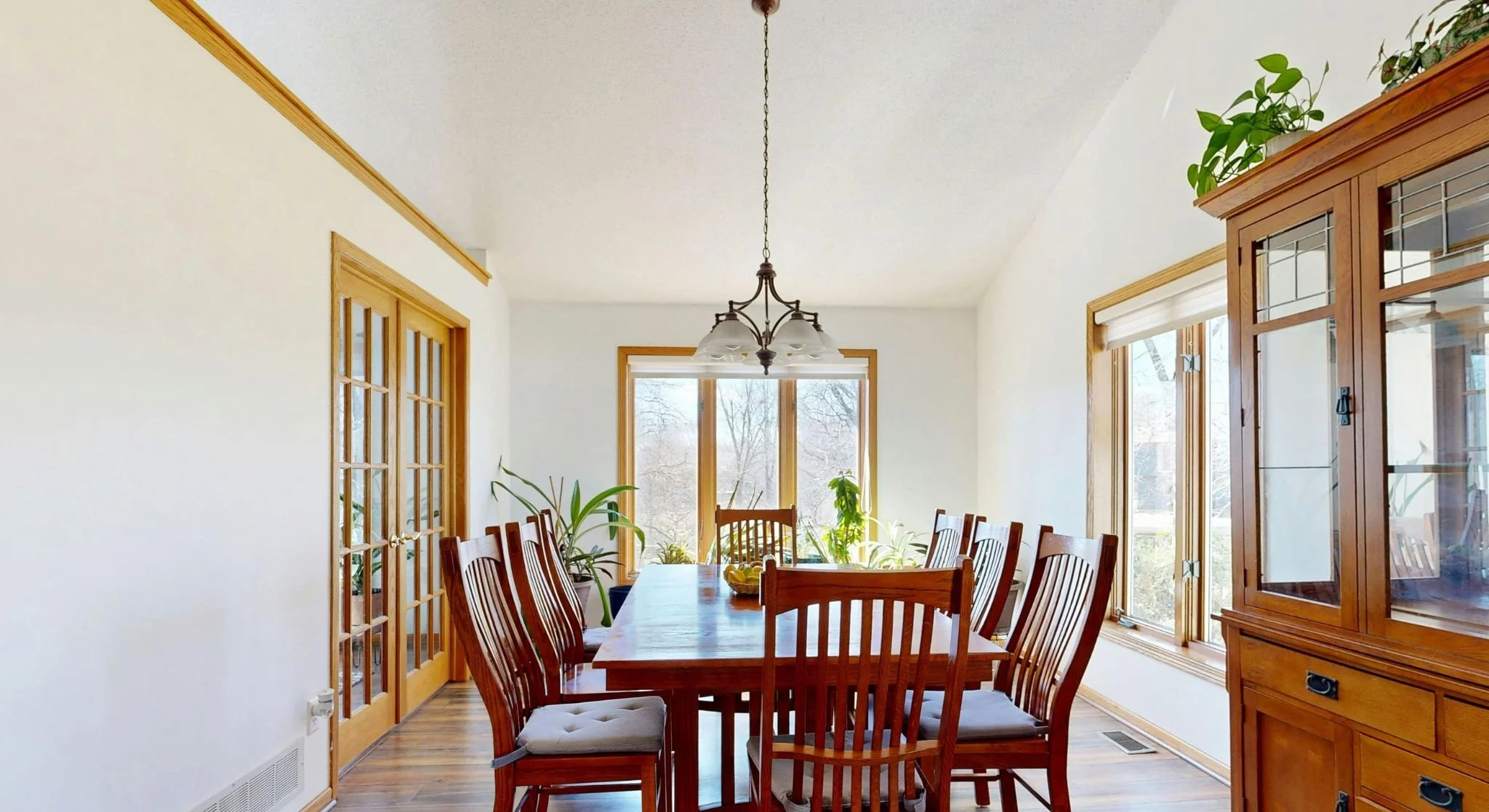
Ercol revolutionized British interiors by successfully industrializing traditional craft techniques, most notably through the 1956 reimagining of the Windsor chair. By using solid ash and elm, founder Lucian Ercolani created furniture that was both lightweight and structurally superior (1). This blend of "Art into Industry" remains a definitive hallmark of British design.
The Italian Architect of British Style: A Cultural Palimpsest
The history of British furniture is often characterized by a rigid adherence to tradition, yet its most transformative figure was an outsider. Lucian Ercolani, affectionately known as "Old Man Ercolani," arrived in Great Britain in the late 19th century. His journey from the aesthetic warmth of Italy to the industrial heart of High Wycombe represents a cultural synthesis that would eventually redefine the British domestic landscape.
Before Ercolani, the High Wycombe furniture trade was largely dominated by "bodgers"—itinerant wood-turners who worked in the beech woods surrounding the town. They produced components for the traditional Windsor chair, a design that had remained largely unchanged since the early 18th century. However, Ercolani possessed a vision that was both nostalgic and progressive. He recognized that the "honesty" of the Windsor chair—its exposed joinery and utilitarian form—was perfectly aligned with the burgeoning Modernist movement, provided it could be liberated from its heavy, rustic origins.
The Technical Stratigraphy: Mastery of Steam and Grain
To understand why Ercol remains a cornerstone of the Palimpsest philosophy, one must examine the physical layers of its production. Unlike many of his competitors who moved toward upholstery to hide cheaper materials, Ercolani insisted on "transparent" construction. This required a level of technical mastery that bridged the gap between the artisanal and the industrial.
1. The Elm Paradox
In the mid-20th century, elm was widely considered a "difficult" wood. While it possessed a stunning, wild grain, it was prone to warping and was notoriously hard to season. Ercolani spent years perfecting a kiln-drying process that stabilized the timber, allowing it to be used for the wide, solid seats that characterize Ercol chairs (2). By definition, an Ercol seat is a solid slab, never veneered, ensuring that the history of the tree remains visible to the owner.
2. The Art of Steam-Bending
The hallmark of the Ercol Windsor is the continuous steam-bent hoop. This process involves saturated steam at high temperatures to soften the lignin in the wood fibers, allowing the timber to be bent into extreme curves without snapping. Unlike continental Modernism, which often favored tubular steel, Ercolani used organic materials to achieve a similarly sleek, industrial silhouette.
The technical evolution of the British Windsor chair can be analyzed through a comparison of traditional and industrial methodologies:
Material Sourcing: Traditional bodgers relied on green beech harvested directly from local woodlands, whereas the Ercol method utilized seasoned English elm for the seats and ash for the frames to ensure long-term structural stability.
Back Construction: Unlike the traditional method of using multiple pieced-together parts to form the chair's back, Ercol introduced the continuous steam-bent hoop, which provided a sleeker, stronger silhouette.
Leg Joinery: The shift from simple socket-and-wedge joints to precision-machined through-tenons allowed for a more durable connection that could withstand the rigors of mass production.
Weight Profile: While the original designs were characterized by a robust and heavy aesthetic, Ercol’s industrial process achieved a tapered, lightweight minimalism that defined the mid-century modern era.
The Utility Scheme: Innovation Born of Constraint
The mid-century period in Britain was defined by the "Utility Furniture Scheme" (1942–1952). Following the devastation of World War II, timber was a rare commodity. The government mandated the CC41 mark, signifying that furniture must be simple, durable, and resource-efficient.
While other manufacturers saw this as a period of artistic stagnation, Ercolani viewed it as a mandate for refinement. The "Information Gain" from this era was the realization that beauty could be found in the absence of ornament. He stripped the Windsor chair of its Victorian "clutter," resulting in the tapered legs and splayed spindles that allowed light to pass through the furniture, making post-war council houses feel larger and more airy (3).
The 1956 Rebirth: The Butterfly and the Loveseat
In 1956, Ercol released a series of designs that would become the "Type Specimens" for British Modernism. The Butterfly Chair (Model 401) and the Loveseat (Model 349) utilized the steam-bending technique to create shapes that were previously impossible in mass production.
The Butterfly Chair, in particular, represented a significant departure from traditional English seating. Its backrest, resembling the wings of a butterfly, provided lumbar support while maintaining a minimal physical footprint. This was not just furniture; it was an architectural statement on the resilience of wood in a world increasingly enamored with plastics and metals.
EEAT and Brand Entity: Why Ercol Endures
From an expert perspective, Ercol's longevity is tied to its "Retrieval Readiness." The brand has maintained stable anchors in its design language for over 100 years. Whether looking at a vintage 1960s piece or a contemporary reissue, the semantic cues remain the same:
Wedge-and-Pin Joinery: A visual record of how the piece is held together.
Solid Timber Construction: An refusal to hide behind veneers.
Splayed Legs: A hallmark of mid-century stability and "dynamic" stance.
In short, Ercol succeeded because it treated the history of British furniture as a palimpsest—not something to be erased, but a foundation upon which to write a modern, industrial narrative.
References
(1) Jackson, L. (2007). Modern British Furniture: Design Since 1945. Victoria & Albert Museum Publications. (An exhaustive study of post-war design shifts in the UK).
(2) Ercolani, L. R. (1975). A Furniture Maker: His Life and Work. Ernest Benn Ltd. (The autobiography of Lucian Ercolani, detailing his struggle with elm seasoning).
(3) MacCarthy, F. (1972). All Things Bright and Beautiful: Design in Britain 1830 to Today. Allen Lane. (Historical context on the Utility Scheme and the democratization of design).
(4) Benton, C. (1990). The V&A Guide to Period Styles. V&A Publishing. (Comparative analysis of Victorian vs. Modernist aesthetics).
(5) Fiell, C., & Fiell, P. (2005). Design of the 20th Century. Taschen. (International context on how Ercol compared to Eames and Scandinavian designers).
Layers of Time: Historical Insights into Furniture Periods and Styles
It All Begins Here
Furniture is more than function. It reflects culture, technology, and taste across centuries. If we look closely, each piece carries echoes of how people lived, worked, and decorated their homes. In this article, we trace major furniture periods and styles to show how design evolved through history and why these transitions matter to collectors and lovers of vintage furniture (1, 2).
Renaissance and Baroque: Early Structure and Ornament
The Renaissance period (15th–16th centuries) revived classical ideas of balance and symmetry in furniture. Craftsmen began treating furniture more like architecture, with proportion and classical motifs inspired by ancient Rome and Greece (1).
By the 17th century, Baroque style took hold. Baroque furniture was rich, bold, and expressive, with deep ornamentation and dramatic forms. These pieces often used high-quality wood and showcased the wealth and taste of their owners (2).
Transitional forms like the William and Mary style emerged in Northern Europe (1689–1702), blending English and Dutch influences with carved ornament and strong curves, marking a shift toward lighter and more refined forms compared to earlier heavy Baroque pieces (4).
Rococo and Neoclassical: Grace and Order
In the 18th century, Rococo furniture appeared, especially in France. It was playful and elegant, with curved forms, floral motifs, and a lighter feel compared with Baroque’s heaviness. The Louis XV style is a notable example, known for its asymmetry, comfort, and organic curves (1).
Later in the century, Neoclassical style drew inspiration from ancient Greece and Rome. Furniture became more restrained, with straight lines, classical proportions, and minimal ornamentation. These shifts reflected broader cultural moves toward clarity and reason (2).
Victorian Era: Eclectic and Elaborate (1837–1901)
The Victorian period overlapped with the Industrial Revolution. Furniture-making shifted from purely handcrafted to a mix of handwork and machine production. The result was an eclectic mix of styles, often drawing on earlier historical motifs like Gothic, Renaissance, and Rococo revival styles (6).
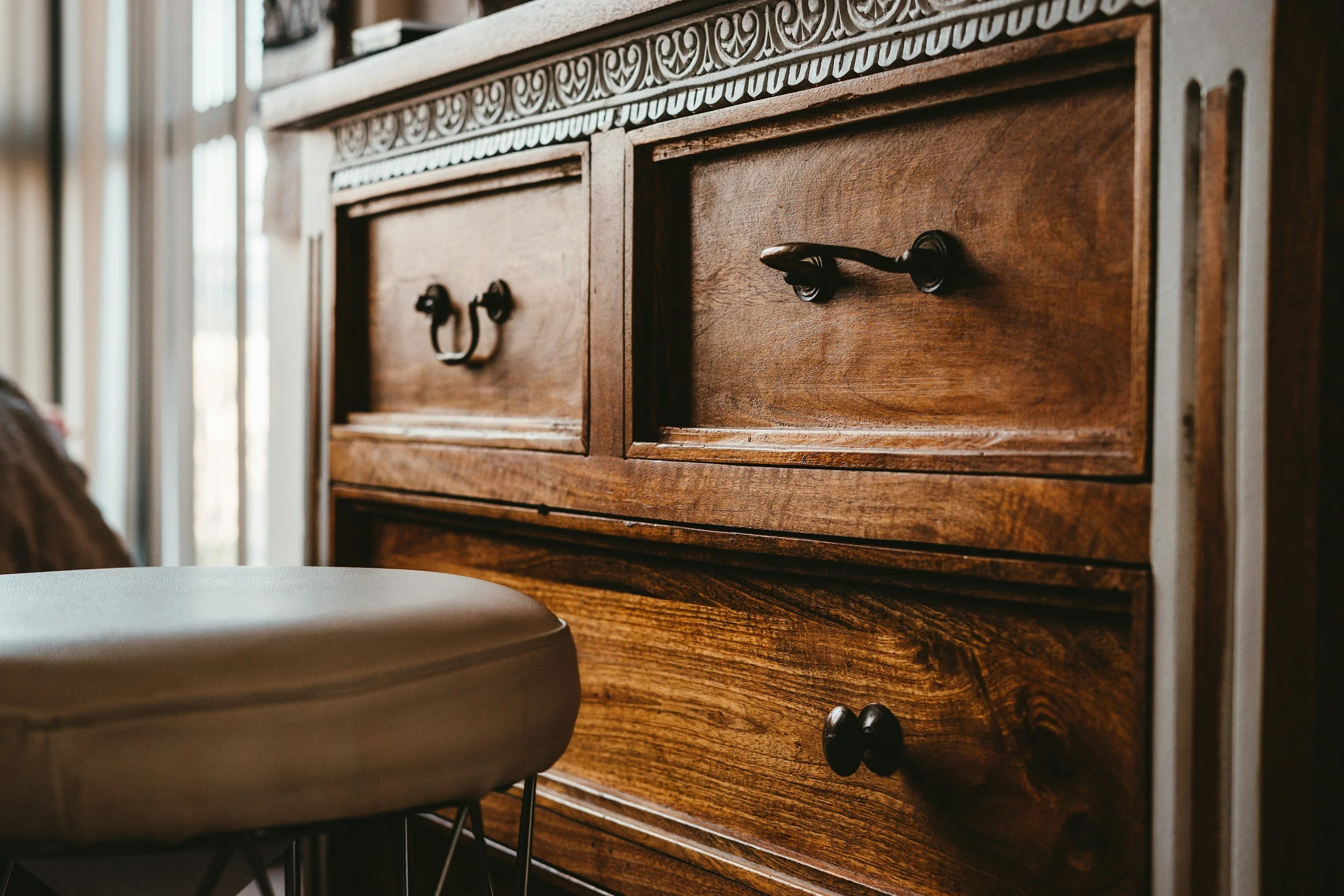
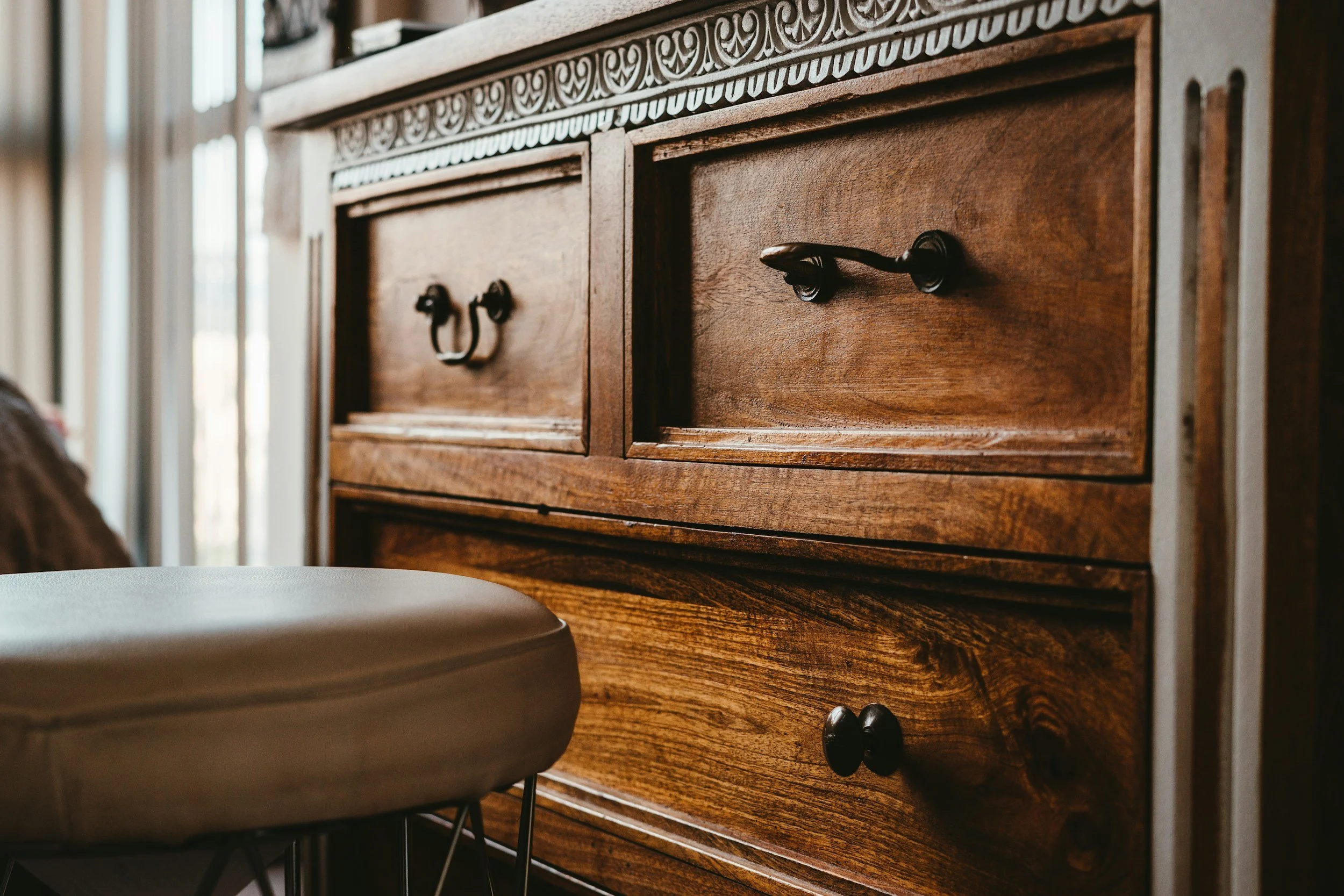
Victorian furniture is known for its ornate detail, large scale, and deep finishes. Dark woods like mahogany, oak, walnut, and rosewood were common. Upholstery was plush and decorative; chairs and sofas might feature buttoned leather or velvet. Tables and cabinets often had elaborate carvings and moldings (4).
This period also marked the rise of furniture production for a broader market. Pieces were more widely available because factories could produce them in larger quantities, yet quality still varied widely depending on maker and material (5).
Edwardian Era: Elegance and Transition (c.1890–1910)
Edwardian furniture represented a shift toward lighter forms and refined decoration compared with the Victorian heaviness. Craftsmen borrowed from earlier Georgian and classical traditions, incorporating cleaner lines, subtle inlays, and floral motifs (1, 2).
Edwardian pieces were often slimmer, more open, and suited to new domestic spaces that valued comfort and elegance. Woods like mahogany, walnut, and satinwood were still used, but in ways that emphasized lightness and proportion rather than decoration for its own sake (6).
Arts and Crafts and Art Nouveau: Handwork and Organic Forms
In the late 19th and early 20th centuries, the Arts and Crafts movement reacted against industrial mass production. Designers emphasized handcraftsmanship, honest materials, and simple forms. Furniture from this period often features oak or cherry wood with visible joinery and minimal decoration, celebrating the nature of the material itself (1).
At the same time, Art Nouveau brought nature’s lines into furniture design. Flowing curves, floral patterns, and asymmetry were common. Craftsmen embraced organic shapes and rare materials, and pieces were often handmade with a fine finish (2).
Art Deco: Glamour and Geometry (1920s–1930s)
After World War I, Art Deco became popular in Europe and the United States. This style embraced geometric shapes, bold lines, and luxury materials like lacquer, chrome, and exotic wood veneers. Furniture was sleek, elegant, and inspired by technology and modernity (1).
Mid‑Century Modern: Function and Simplicity (1945–1969)
Mid‑Century Modern design emerged after World War II and defined furniture aesthetics for decades. Characterized by clean lines, organic forms, and minimal ornament, this style emphasized practicality and comfort without sacrificing beauty (2, 3).
Designers like Charles and Ray Eames, George Nelson, and Eero Saarinen explored new materials like molded plywood, fiberglass, and bent metal, combining them with traditional woods for a balanced, human-centered design (3).
Contemporary Context and Lasting Influence
Today, furniture styles continue to evolve. Contemporary design often borrows from the past, blending minimalism, sustainability, and modular thinking. Many vintage styles are revived or reinterpreted in new ways, showing that historical insight remains relevant to modern tastes and interiors (1).
Understanding these periods and styles helps us recognize the quality, intention, and history behind the pieces we live with or collect. When a chair or table carries the marks of its era, it becomes more than furniture—it becomes a connection to the people who made and used it.
References
Hinchman, Mark. History of Furniture: A Global View. Bloomsbury Publishing, 2016, London, UK.
Oats, Joclyn M. An Illustrated Guide to Furniture History. Taylor & Francis Ltd / Routledge, 2021, London, UK.
Gura, Judith. The Guide to Period Styles for Interiors: From the 17th Century to the Present. Fairchild Books, 2017, London, UK.
Macquoid, Percy. A History of English Furniture. 4 vols., first published 1904–1908, UK.
Chinnery, Victor. Oak Furniture: The British Tradition. ACC Art Books, UK.
Payne, Christopher. British Furniture 1820–1920: The Luxury Market. ACC Art Books, UK.
Why Oak Dominated English Furniture
It All Begins Here
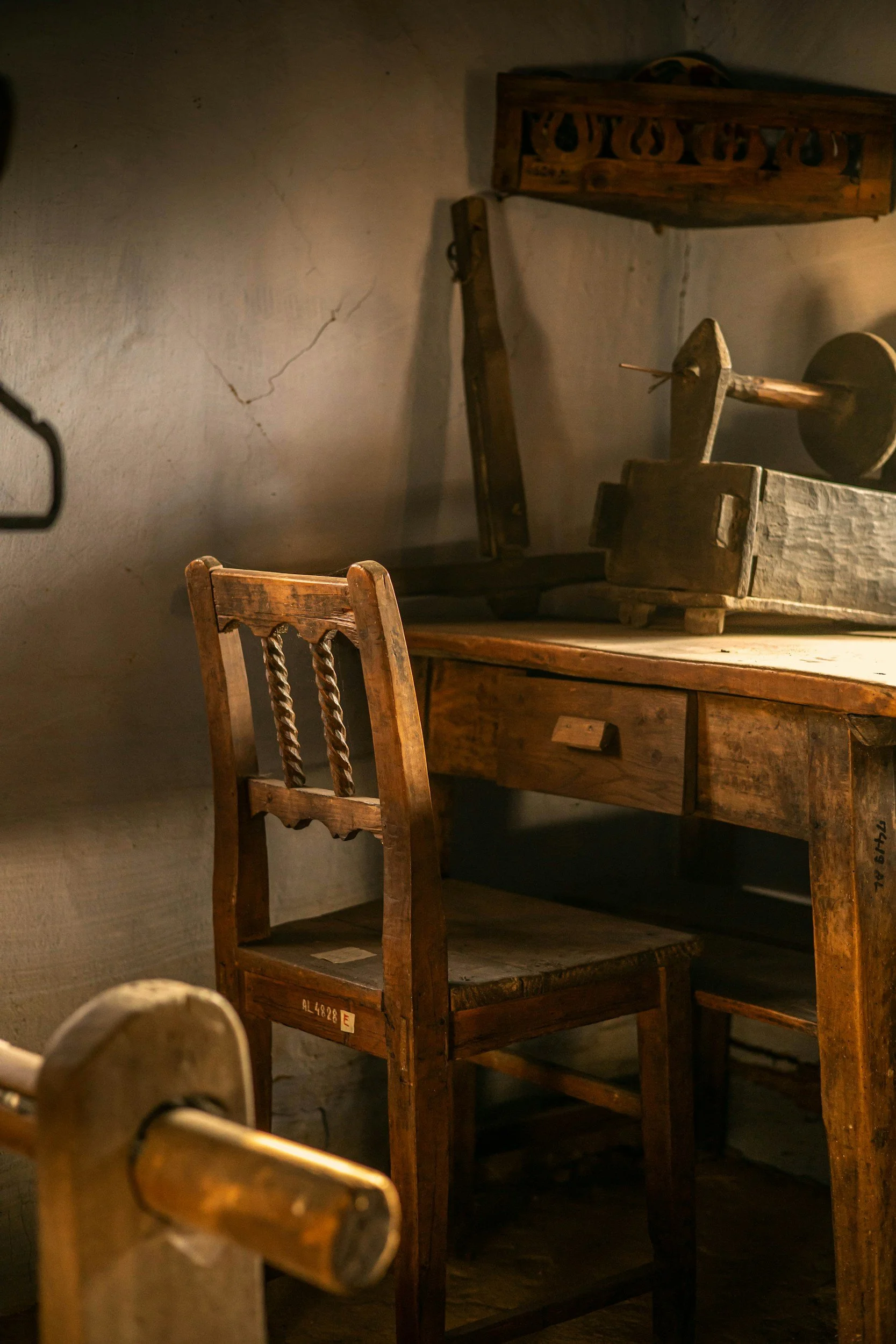
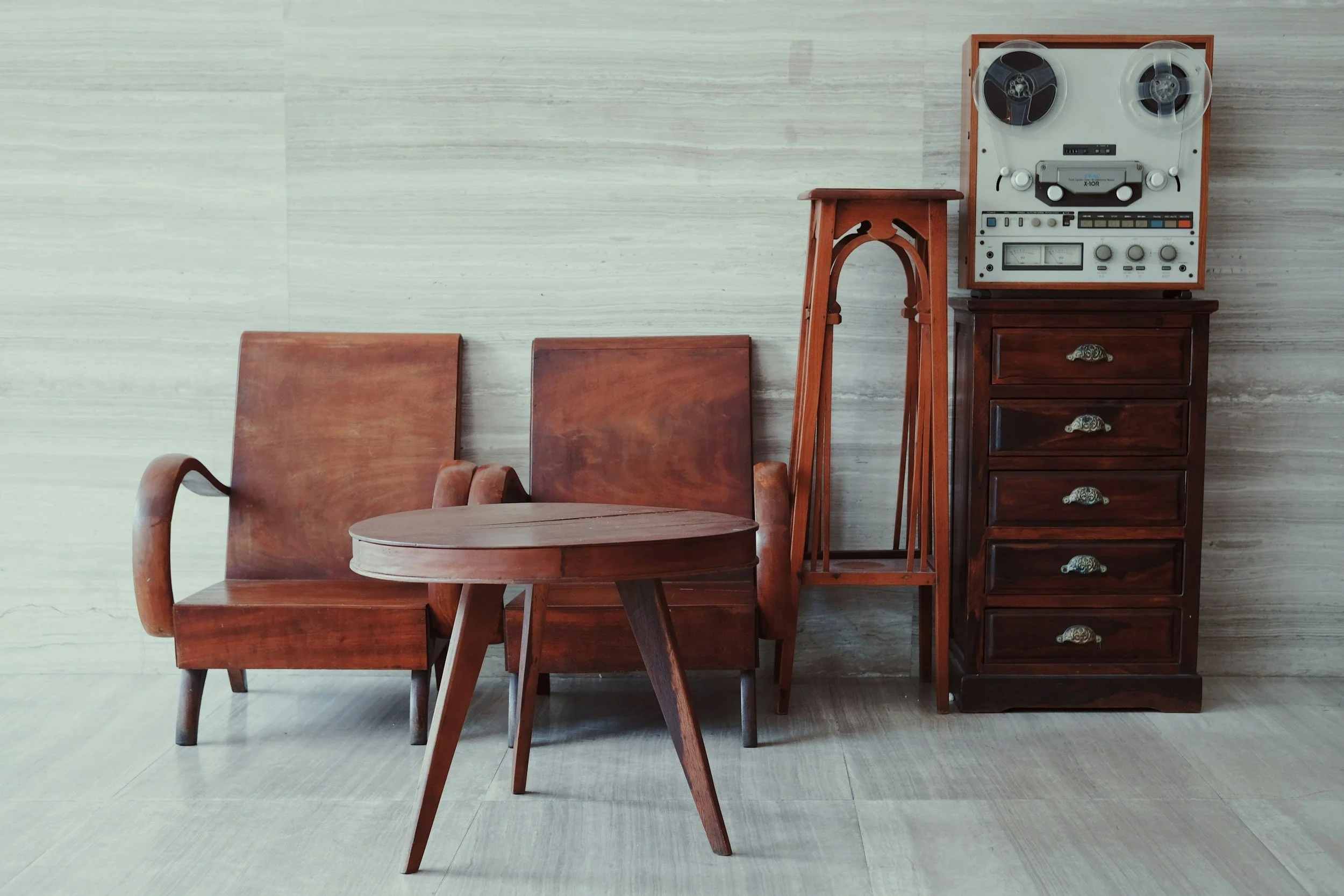
For centuries, oak was the defining material of English furniture. From medieval halls to modest country homes, oak shaped tables, chests, chairs, and cupboards that were built to last generations. Its dominance was not accidental. It was the result of geography, craft tradition, social structure, and daily life. To understand English furniture, one must first understand oak.
Abundance and Geography
England’s landscape played a central role in oak’s dominance. From the Middle Ages onward, oak forests were widespread across the country. Oak was readily available, durable, and familiar to local craftsmen. Its abundance made it the practical choice for furniture long before exotic woods became accessible through trade (1).
Unlike imported timbers, oak could be sourced locally, seasoned nearby, and worked without reliance on long supply chains. This mattered in a period when furniture was made regionally and often commissioned within the same county. Oak became the natural material of English domestic life because it was there, dependable and known.
Strength and Durability
Oak is a dense hardwood with exceptional strength. Its resistance to wear, insects, and moisture made it ideal for furniture expected to endure heavy daily use. Medieval and early modern homes were not gentle environments. Furniture had to withstand damp conditions, uneven floors, and constant handling (2).
Tables were struck, benches were dragged, and chests were used for both storage and seating. Oak’s structure allowed for thick boards, sturdy frames, and lasting joints. Many surviving English oak pieces still function today, a testament to the material’s inherent resilience (3).
Craft Tradition and Joinery
English furniture-making developed alongside oak. Craftsmen learned to work with its grain, density, and limitations. Over time, a distinct tradition of joinery emerged. Techniques such as mortise-and-tenon joints, pegged construction, and panel framing became standard, all well suited to oak’s properties (1).
These methods allowed furniture to move with seasonal changes in humidity without splitting. The visible pegs and joints seen on early English furniture were not decorative choices but structural necessities. Over time, they became part of the visual language of English design.
Oak shaped not only what furniture looked like, but how it was built.
Social Meaning and Status
In early periods, oak furniture carried social meaning. Large oak tables, carved chests, and paneled cupboards signaled permanence and stability. In a society where wealth was often measured in land and lineage, oak represented continuity rather than display (4).
Unlike later mahogany furniture, which reflected global trade and rising consumer culture, oak furniture belonged to an older value system. It was associated with inheritance, durability, and family history. Furniture was expected to be passed down, repaired, and reused, not replaced.
This cultural attitude reinforced oak’s position as the material of serious, lasting furniture.
Oak and the Medieval Interior
In medieval England, furniture was sparse but substantial. Chests served multiple purposes: storage, seating, and transport. Tables were often trestle-based and dismantled when not in use. Oak was ideal for these forms because it could support weight and resist repeated assembly (2).
Carving was limited but meaningful. Linenfold panels, simple tracery, and geometric motifs added visual interest without weakening the structure. Oak’s grain allowed for shallow carving that aged well, softening rather than eroding over time.
These early forms set the foundation for centuries of English furniture design.
The Tudor and Stuart Periods
During the Tudor and early Stuart periods, oak furniture became more refined but remained dominant. As domestic interiors grew more complex, new furniture forms emerged: cupboards, dressers, joined stools, and panel-backed chairs (4).
Oak responded well to these developments. It could be framed, paneled, and carved without losing strength. Furniture from this period often shows bold proportions and strong silhouettes, reflecting both the material and the social atmosphere of the time.
Even as decorative influences from Europe appeared, oak remained the structural core of English furniture well into the 17th century.
The Gradual Shift Away from Oak
By the late 17th and early 18th centuries, oak began to share space with walnut and later mahogany. Changes in taste, trade, and technology introduced lighter, smoother woods that allowed for finer carving and thinner profiles (5).
However, oak did not disappear. It remained common in country furniture and regional workshops long after urban makers adopted new materials. In many rural areas, oak continued to be used well into the 19th century, often alongside softer woods (3).
This overlap explains why English furniture history cannot be divided neatly by material. Oak’s presence persisted, adapting rather than vanishing.
Oak in Country Furniture
Country furniture preserved oak’s legacy. Made by local craftsmen for local use, these pieces favored function over fashion. Dressers, tables, and storage furniture retained solid construction and minimal decoration (3).
These objects often show repairs, replacements, and alterations made over decades. Oak’s ability to accept repair without failure allowed furniture to evolve with changing needs. This adaptability is one reason so much oak furniture survives today.
In many ways, country oak furniture represents the purest expression of the English relationship with material and use.
Why Oak Still Matters Today
Today, oak furniture holds a special place in the appreciation of English antiques and vintage pieces. Collectors value it not for polish or perfection, but for presence. The weight, grain, and wear of oak speak clearly of time and use.
Oak tells a story of restraint, practicality, and endurance. It reflects a culture that valued making things once and making them well. In a modern context, where speed and replacement dominate, oak furniture offers a different rhythm—one rooted in patience and longevity.
Understanding why oak dominated English furniture helps us see these pieces not as relics, but as living objects shaped by centuries of daily life (1, 6).
References
Hinchman, Mark. History of Furniture: A Global View. Bloomsbury Publishing, 2016, London, UK.
Macquoid, Percy. A History of English Furniture. Vols. I–IV, first published 1904–1908, London, UK.
Chinnery, Victor. Oak Furniture: The British Tradition. ACC Art Books, 2010, Woodbridge, UK.
Gura, Judith. The Guide to Period Styles for Interiors: From the 17th Century to the Present. Fairchild Books, 2017, London, UK.
Payne, Christopher. British Furniture 1820–1920: The Luxury Market. ACC Art Books, 2013, Woodbridge, UK.
Oats, Joclyn M. An Illustrated Guide to Furniture History. Routledge, 2021, London, UK.